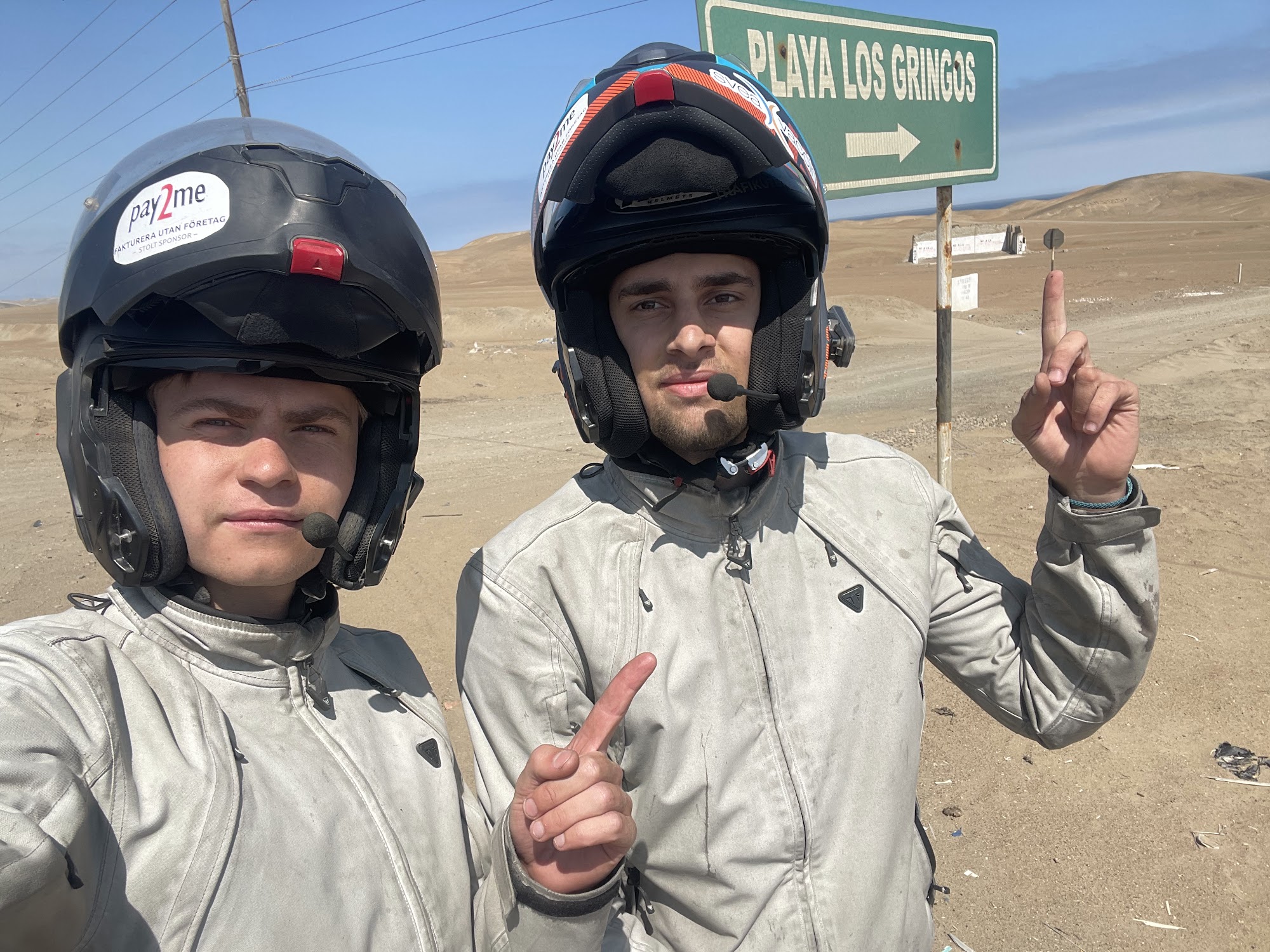
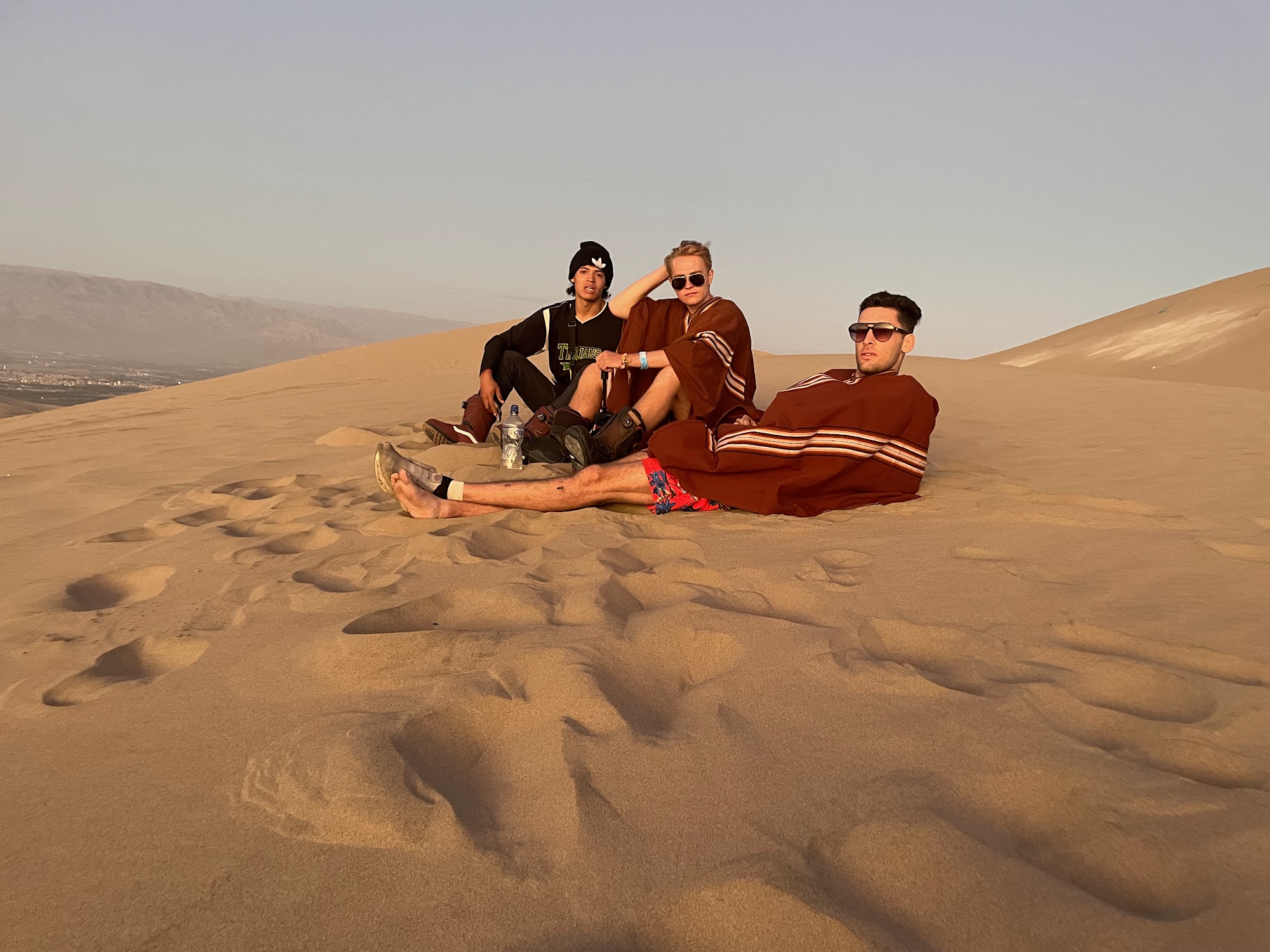
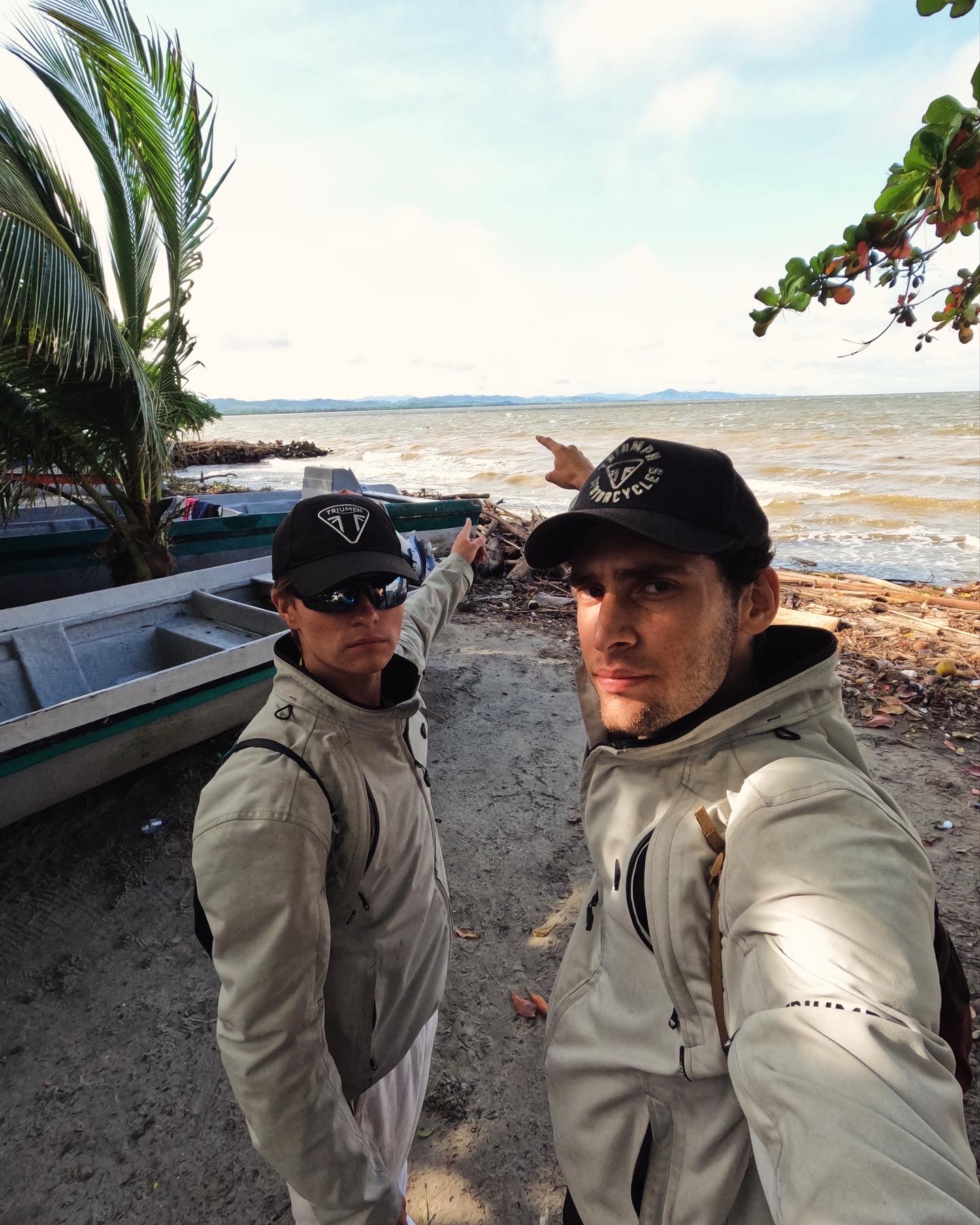
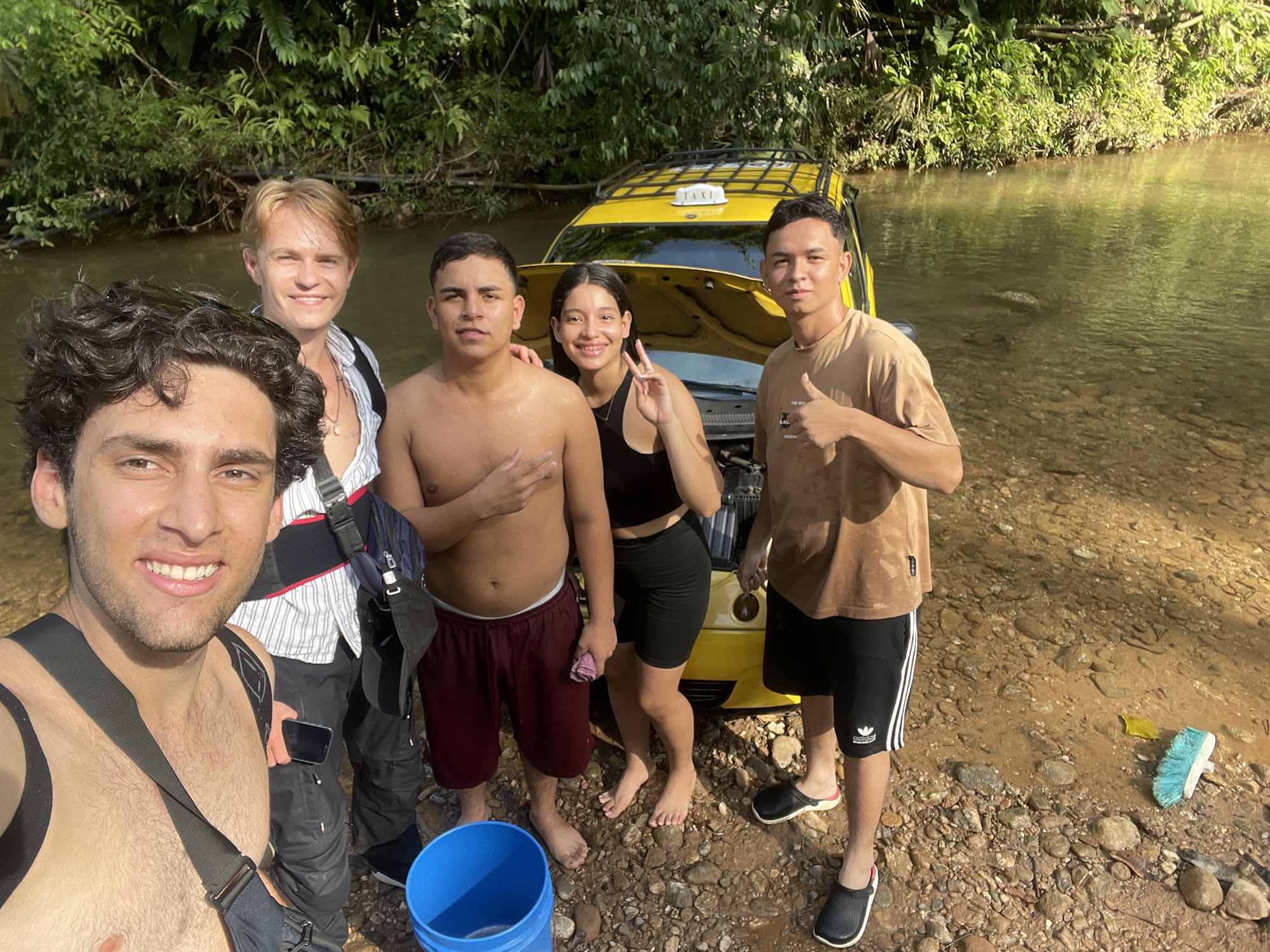
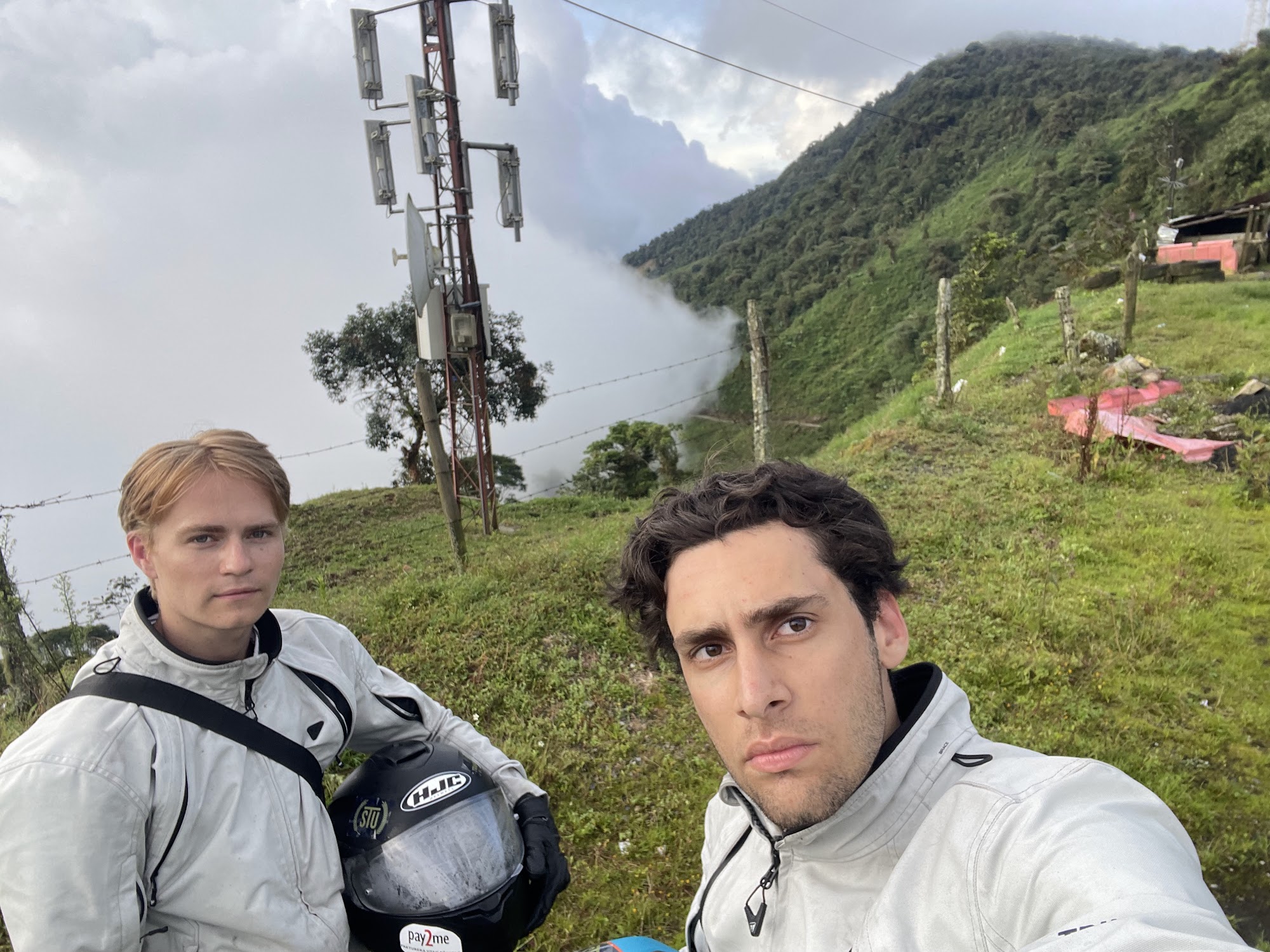
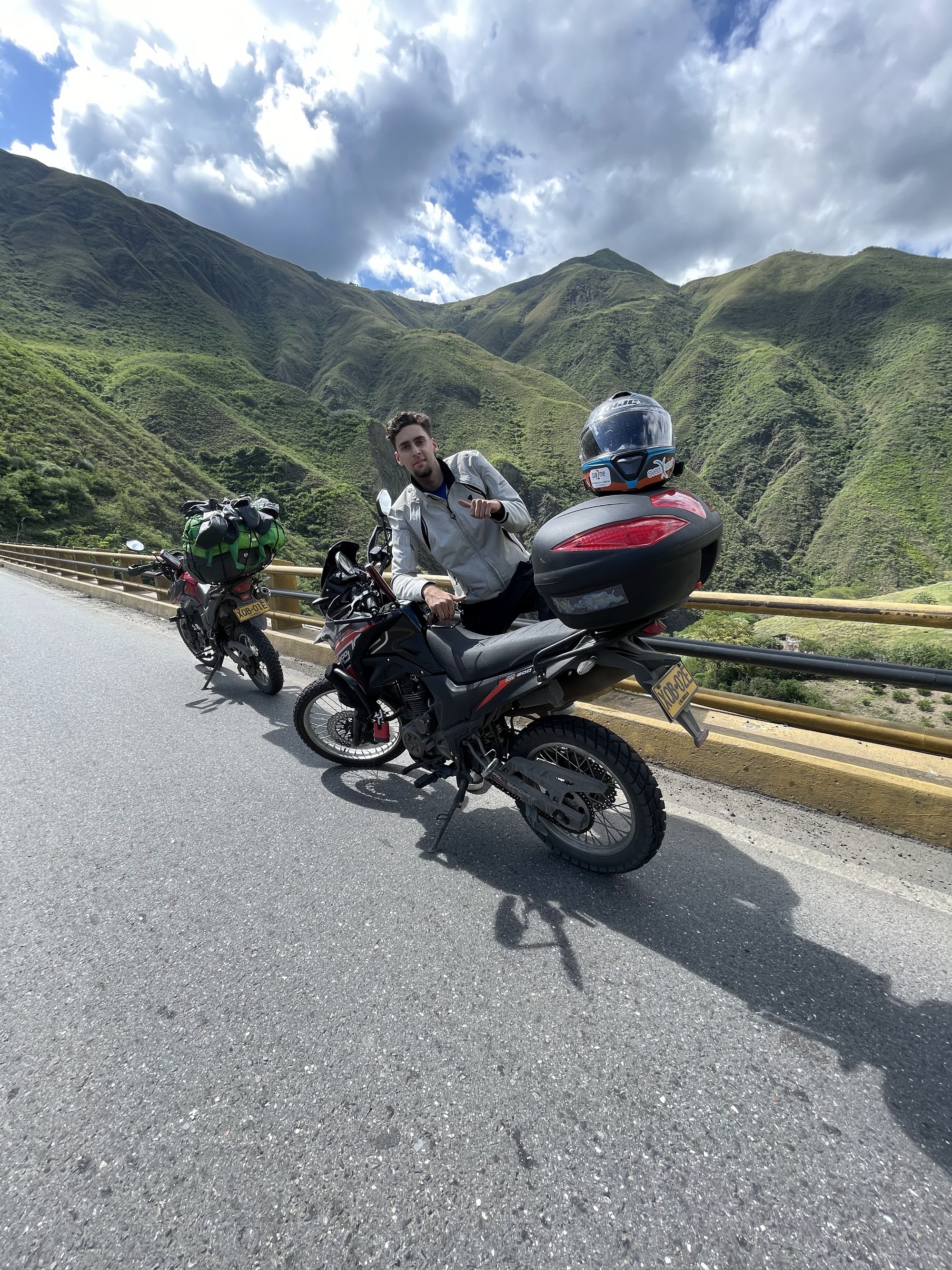
10,500 kilometres on two motorcycles across the Andes, deserts, rainforest and some of South America's most spectacular roads.
In the summer of 2024 we set out on our first big adventure together. The plan was to cross South America by motorcycle, from Venezuela to Brazil, more than 12 000 kilometres.
But the trip was about more than riding a motorcycle across a continent. Before we left we started a fundraiser through our channel so we could carry out charity projects along the way. We wanted to combine the adventure with something concrete for the people we met. We also wanted to show a different side of South America than the one usually seen in the news, not only poverty, crime and political unrest, but also the people, the culture, the nature and the enormous hospitality we found.
The route would take us through Venezuela, Colombia, Ecuador, Peru and Bolivia, and then on to Brazil. As always with a trip like this, we knew reality probably would not follow the plan exactly. And it did not.
Venezuela
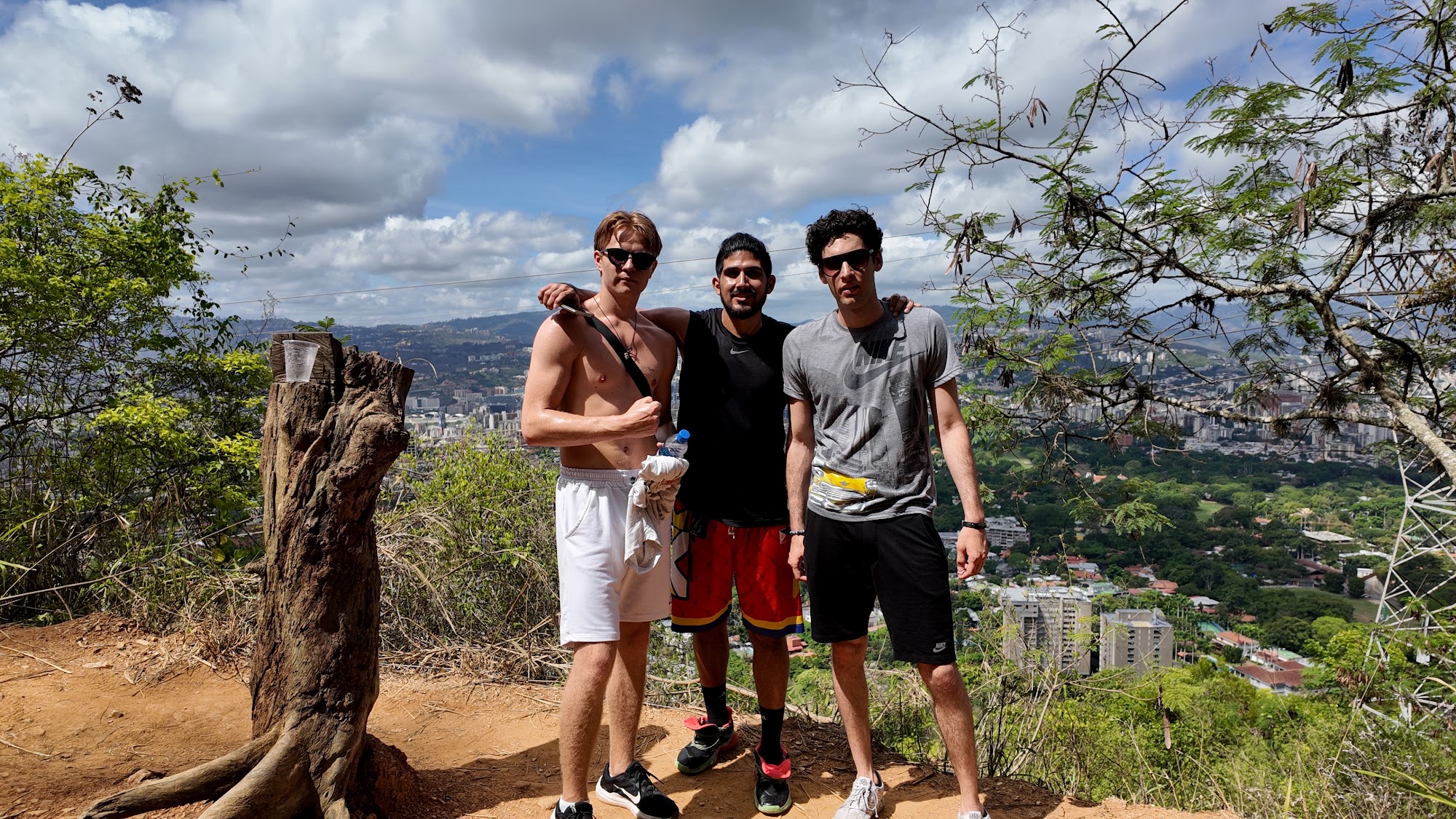
Venezuela was the starting point of our trip. From here the long journey south would begin. We had a clear destination in mind, Brazil, but in between were thousands of kilometres, several countries and countless things we could not predict from home.
Venezuela was also the start of our attempt to make the trip about more than our own adventure. Through the channel we had started a fundraiser to finance projects along the way, with the goal of helping people we met and drawing attention to situations that would otherwise stay invisible.
Colombia
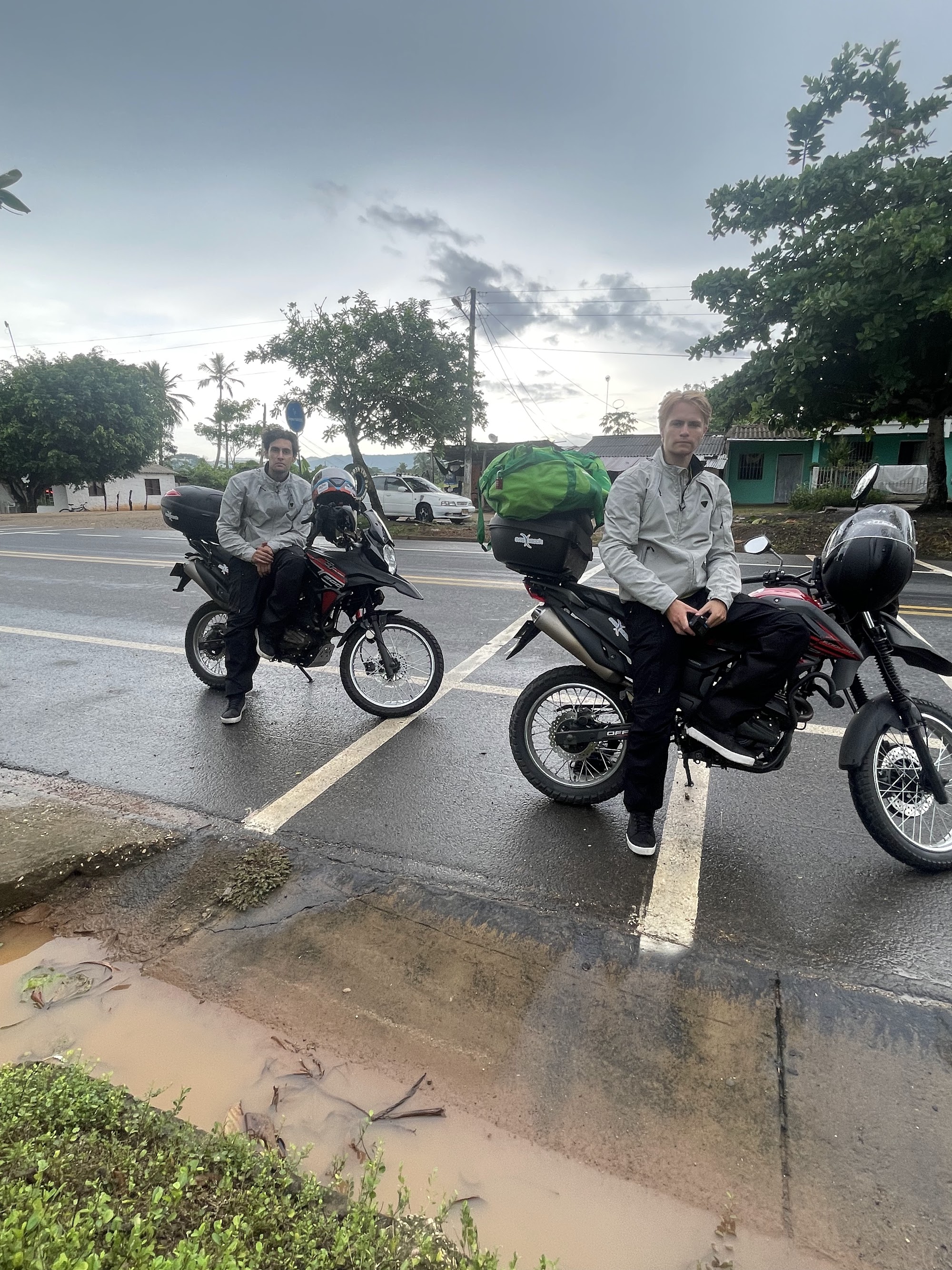
It was in Colombia that we bought our motorcycles. This is where the real motorcycle adventure began. We now had our own vehicles and could decide where to go, how far to ride and which detours to take. But Colombia also became the place of our first big charity project.
We had decided to reach the Darien Gap, the roadless jungle between Colombia and Panama that thousands of migrants try to cross on their way north. Many of them are Venezuelan refugees trying to get through the extreme terrain under very difficult conditions.
With the money from the fundraiser we bought boots and ponchos and handed them out to Venezuelan migrants about to attempt the jungle crossing. For us it was one of the clearest examples of what we wanted to achieve with the trip: combining our adventures with something concrete that could actually help people along the way.
The Darien Gap was also a reminder of the reality behind the migration statistics. We met people facing one of the most dangerous parts of their journey, with very few resources and few other options.
Ecuador
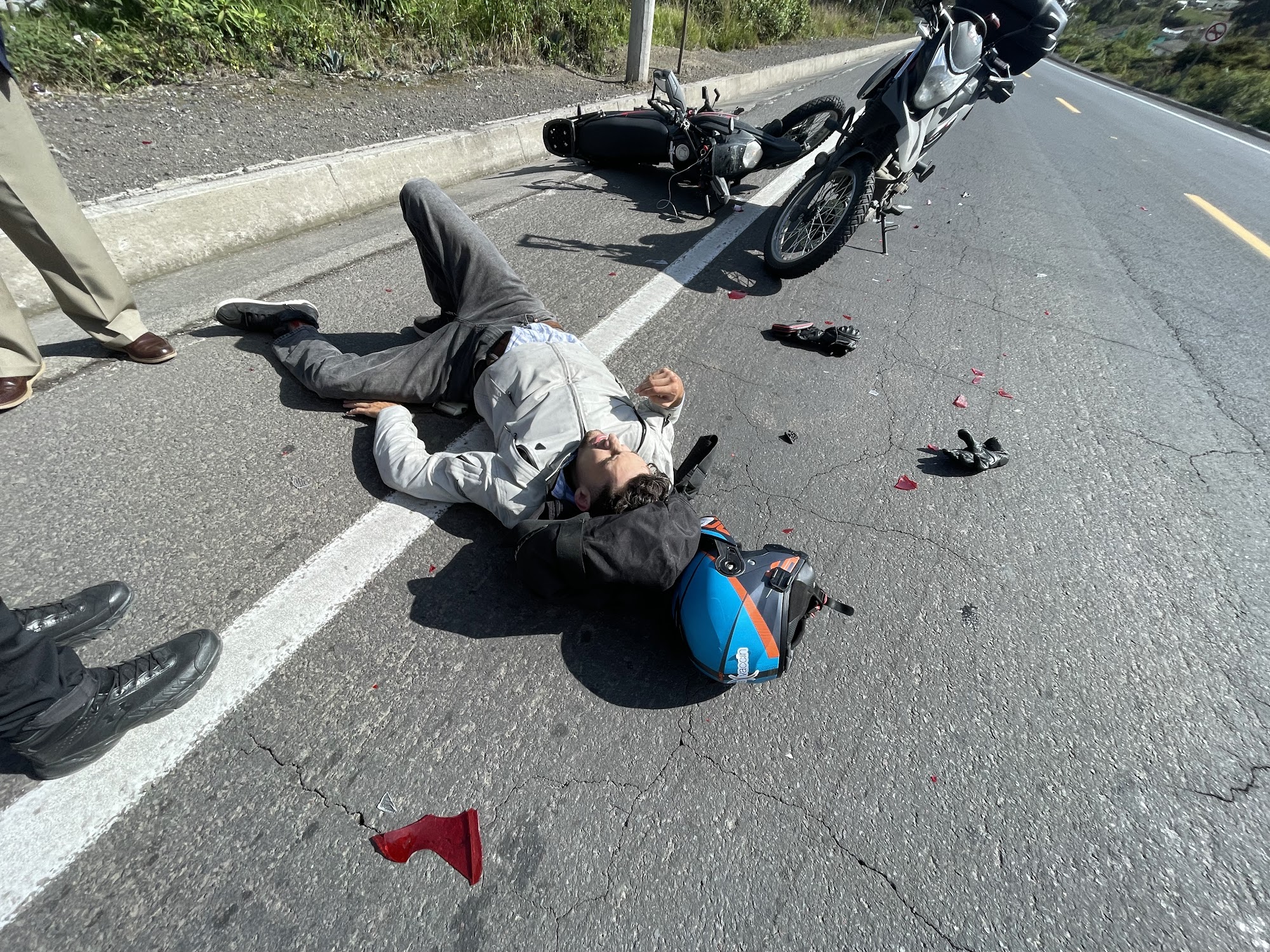
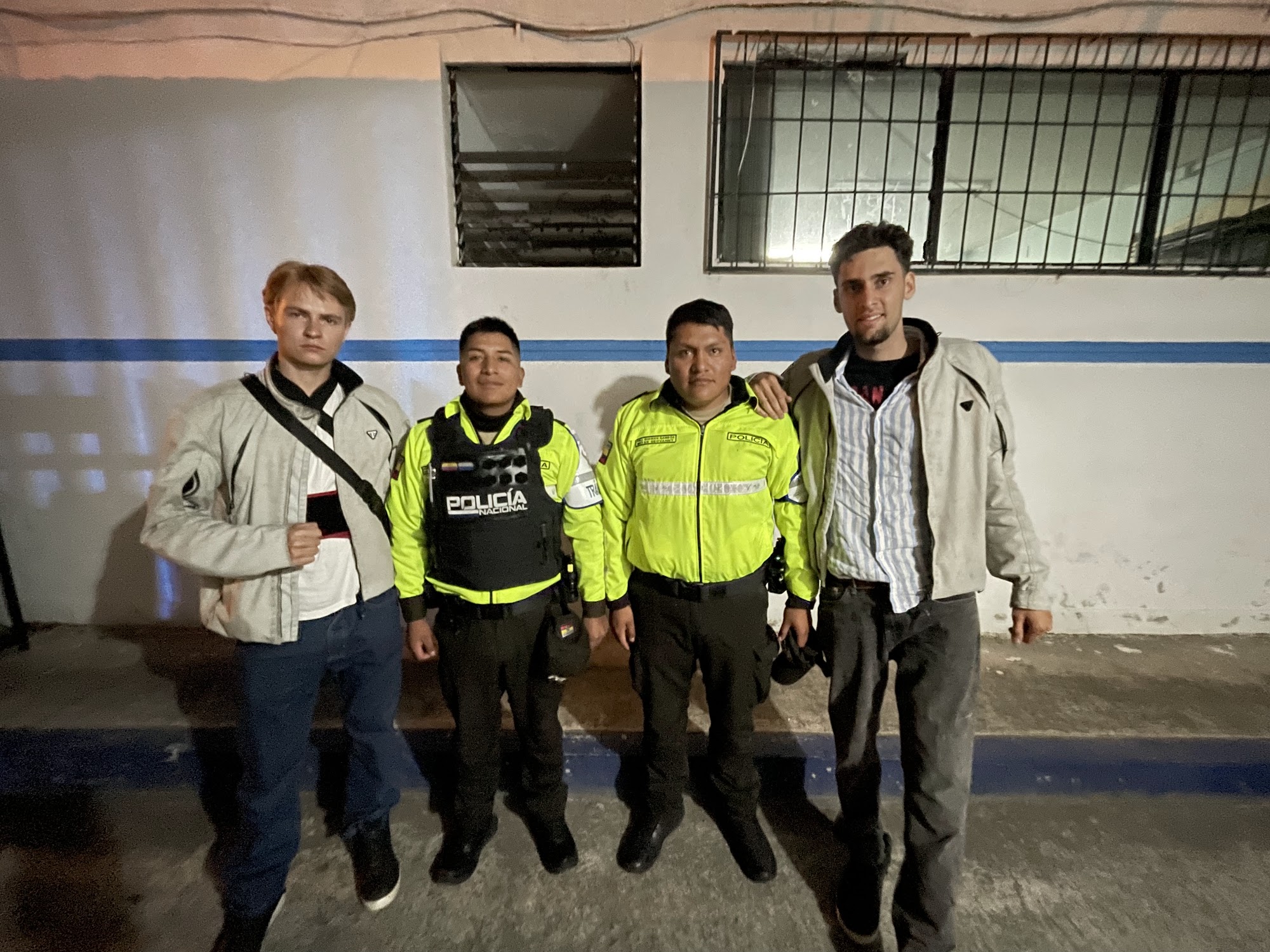
In Ecuador the trip took a dramatic turn. While we were riding, a car suddenly slammed on the brakes in front of Nima. He had no time to react and crashed his motorcycle.
It was a serious interruption. Nima had to get to hospital, and the situation became far more complicated than an ordinary traffic accident. To avoid being detained he had to pay the driver who had braked in front of him on the spot. It felt surreal, we were far from home, had just been in an accident and at the same time had to work out how the local legal system worked.
After the hospital it turned out the injuries meant Nima could not walk properly for about two weeks. On a normal holiday that might have been an obvious signal to end the trip. But we still had thousands of kilometres ahead of us. After two weeks his body had recovered enough and we decided to continue.
Peru
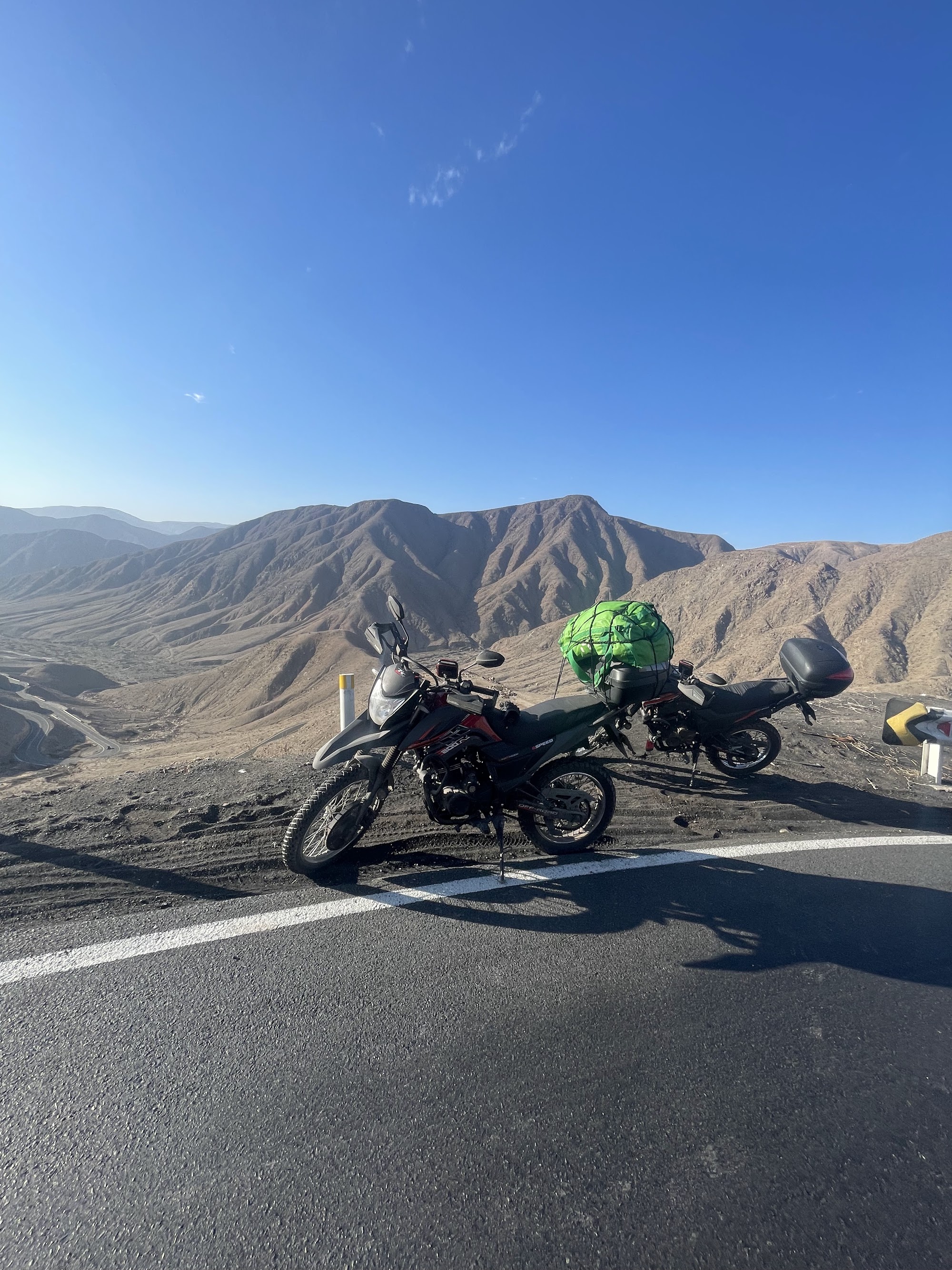
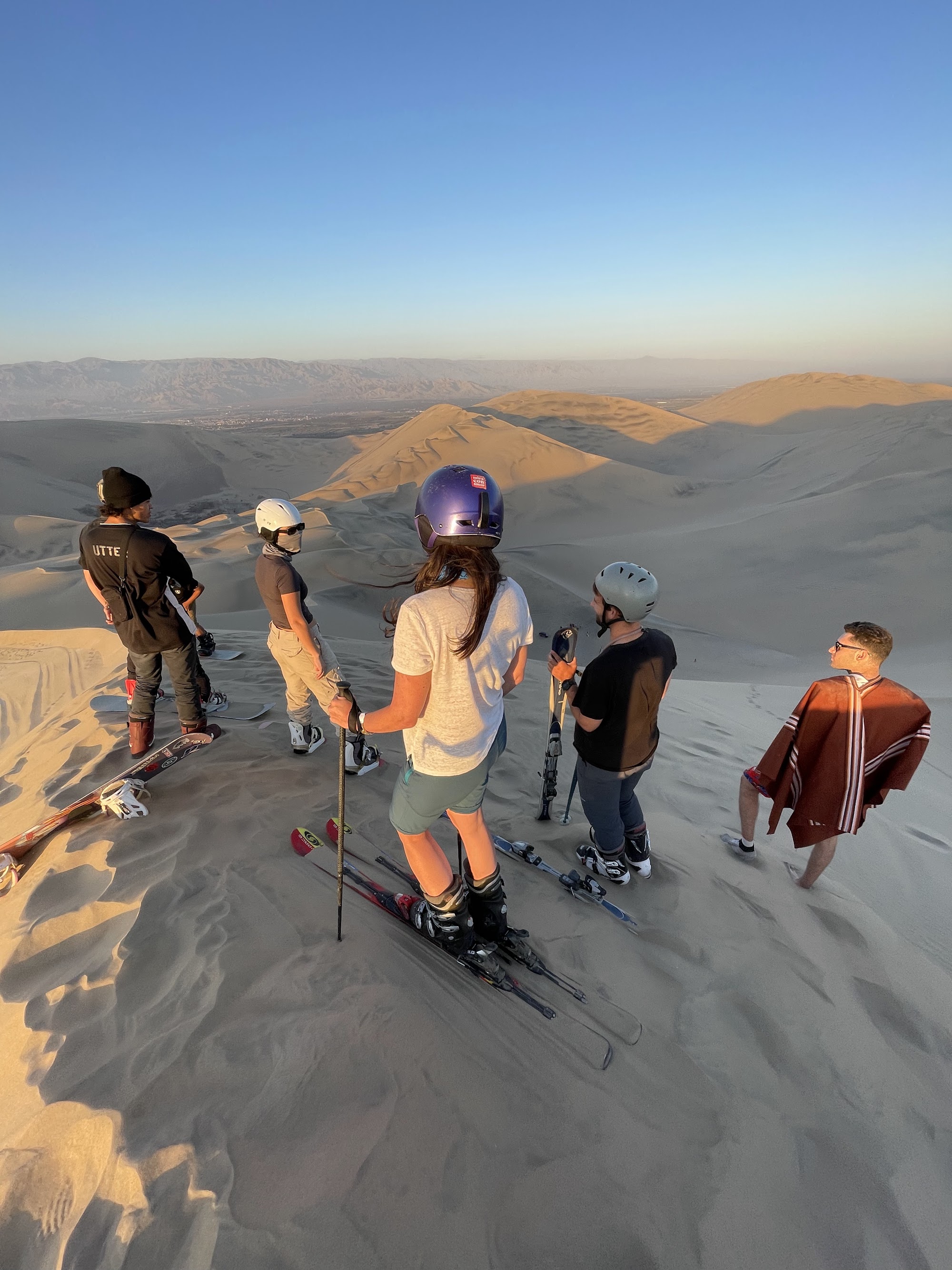
From Ecuador we rode on to Peru, and the trip changed again. The landscape was some of the most spectacular we saw during the whole journey. We rode through enormous variations in nature and altitude, and the road itself became almost as important as the destinations.
Despite the accident in Ecuador we had regained our pace. Among other things we rode from Quito to Lima in less than a week, a distance of roughly 2 000 kilometres. After long days on the bikes we started to understand the enormous freedom the vehicles gave us. We could wake up in one place and be hundreds of kilometres away the same evening.
We had long looked forward to reaching Cusco, where a relative of David's from Finland lives. When we finally arrived we got to stay and spend about a week with him. After weeks of long riding days it was a welcome break from the road.
The charity projects continued in Peru too. We carried 4 000 toothbrushes with us and handed them out to children at orphanages. We also taught the children about dental care and hygiene, so the project would be about knowledge they could keep, not just products.
Bolivia
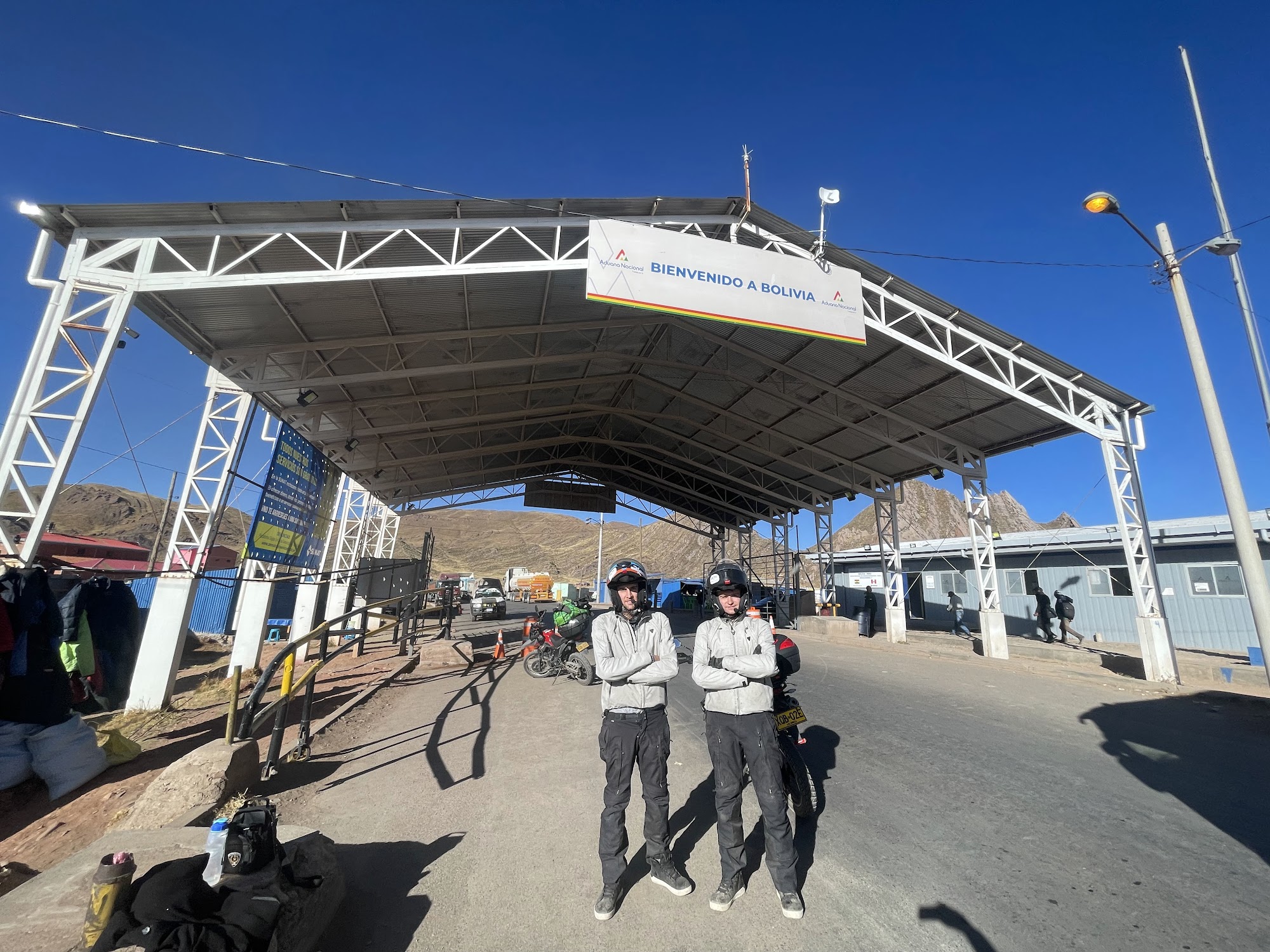
Riding into Bolivia we almost immediately realised we had a problem: fuel. A few weeks earlier there had been an attempted coup in the country, and it had affected the fuel supply. Petrol was extremely hard to find and queues outside the stations could be kilometres long.
We could not keep riding thousands of kilometres without knowing we could refuel. Standing in fuel queues for hours or days was not an option if we wanted to continue our planned route to Brazil. In the end we did something that had felt unthinkable when we bought the bikes in Colombia: we sold them.
The motorcycles that had carried us through several countries were left behind, and we started looking for a new way forward. That is when Chile came into the picture.
Chile
Chile had never been part of our original plan. But that is part of real travel. Things happen, plans break and sometimes you simply have to choose a new road.
We found a cheap option and decided to get from La Paz to Santiago de Chile by bus. The journey took about 40 hours. After weeks of riding it felt strange to suddenly sit on a bus for two days. But that was part of the charm of the whole trip: there was no perfect plan any more.
We only had a weekend in Santiago before the next flight, but we still managed to see a lot of the city, including trying one of Chile's most classic fast food dishes, completos. Chile was never meant to be part of the trip, but suddenly we were one country and one story richer.
Brazil
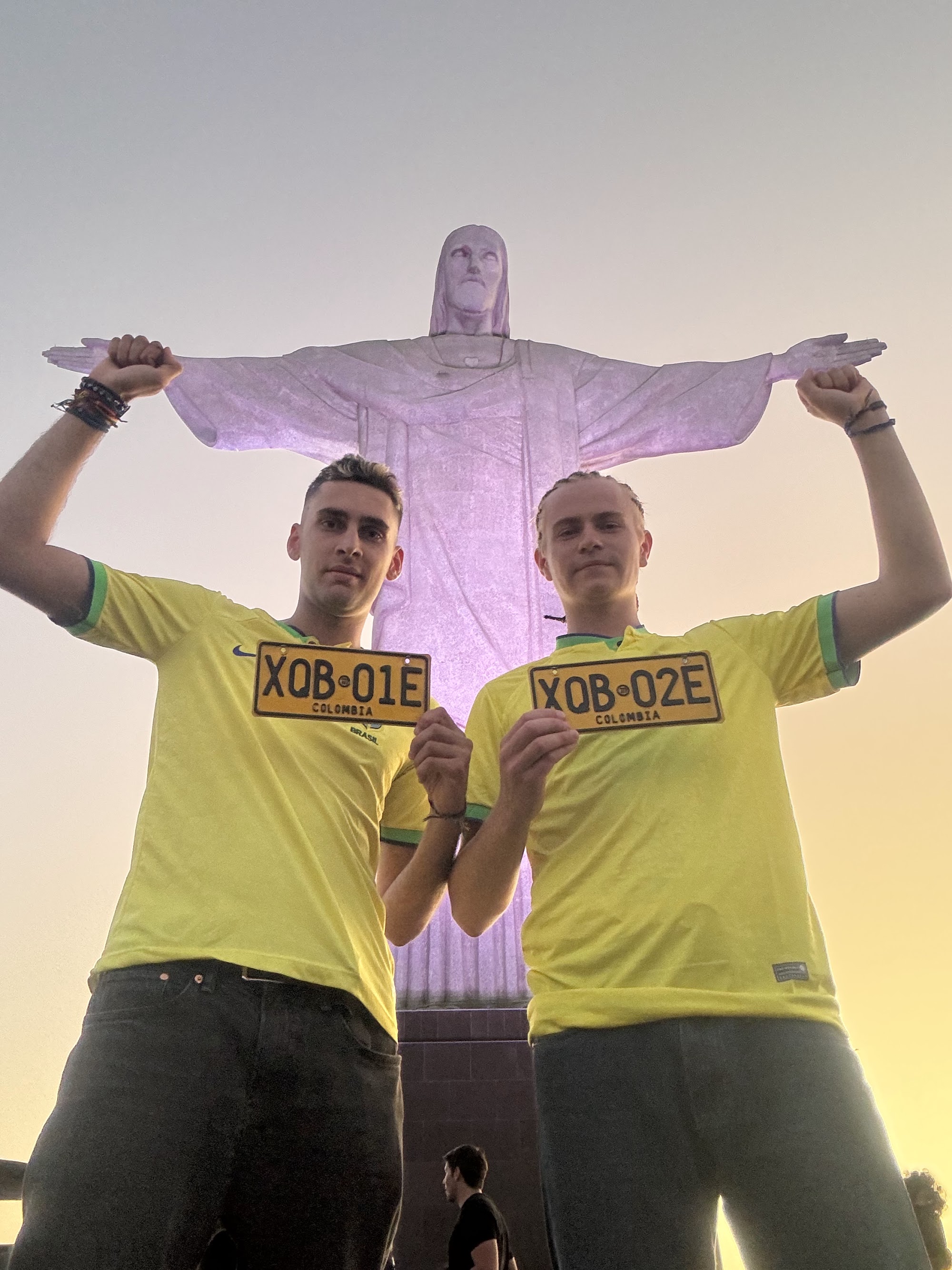
Finally we flew from Santiago de Chile to Rio de Janeiro. Landing in Brazil felt very different from being on the motorcycles. For about a month and a half we had been riding, some days for around twelve hours. Now it was time to slow down.
We spent a lot of time at Copacabana, enjoyed Rio and let our bodies recover after months on the road. For the first time in a long while we had no reason to wake up thinking about how far we had to ride that day.
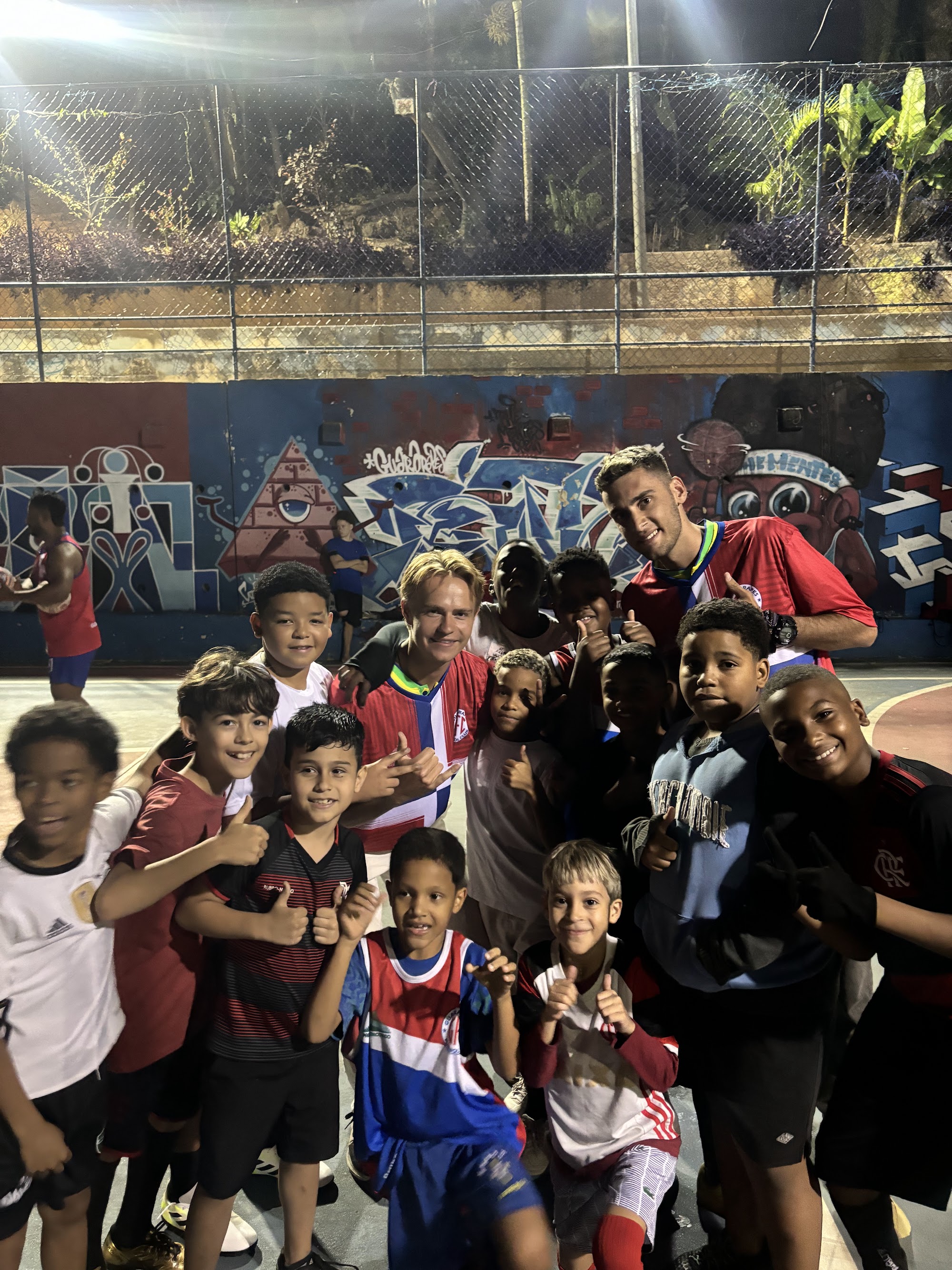
Even so the charity work continued. In Rio we went to a favela, where we bought 50 footballs and handed them out to the children living there. Afterwards we stayed and played football with them. It was a beautiful end to the charity side of the trip.
Looking back
What began as a plan to buy motorcycles in Colombia and ride more than 12 000 kilometres through South America became far more unpredictable than we could have imagined. We went from Venezuela through Colombia, Ecuador, Peru and Bolivia before reality forced us to change the plan.
We rode across the whole continent. We crashed. We spent two weeks recovering. We met people we had never met before. We carried out charity projects. We bought motorcycles and sold them again. We sat on a bus for 40 hours. We added a whole new country to the trip. And in the end we arrived in Rio de Janeiro. It was never the trip we had planned, and that is exactly what made it ours.
At the same time Los Gringos on Tour grew fast along the way. We documented the adventure on Instagram and TikTok and made the audience part of the trip. Looking back, the content had generated more than 10 million views.
After South America we decided to do something even more unpredictable. Next time we would not even have a motorcycle. Instead we would hitchhike through the Middle East.